build vs. buy: b2b social
quadruple digit percentage improvements won't come from paid ads alone

Most B2B companies are solving the wrong optimization problem. They're trying to hack quarterly attribution when the real game is building systems that compound. Paid ads scale linearly until saturation, fatigue or cost curves kick in (More budget = more results, until it doesn't). Organic content compounds: each post becomes a durable node that drives unpredictable upside, long after it's published.
I've been running this experiment for ~4 months, treating brand-building like a reinforcement learning problem. Started with zero domain authority, minimal social presence, no organic search traffic. The hypothesis: consistent value creation in the right channels would create feedback loops that traditional paid acquisition can't match.
In the last 90 days alone, we have:
+1.6M LinkedIn impressions (+3,103%)
284% increase in button clicks (demand signal)
111% sustained organic search lift
LinkedIn referred site sessions up 8,500%
5x’d our domain authority
Shared context is everything
Understanding your audience means knowing where they hang out, what they care about, and what actually makes them engage.
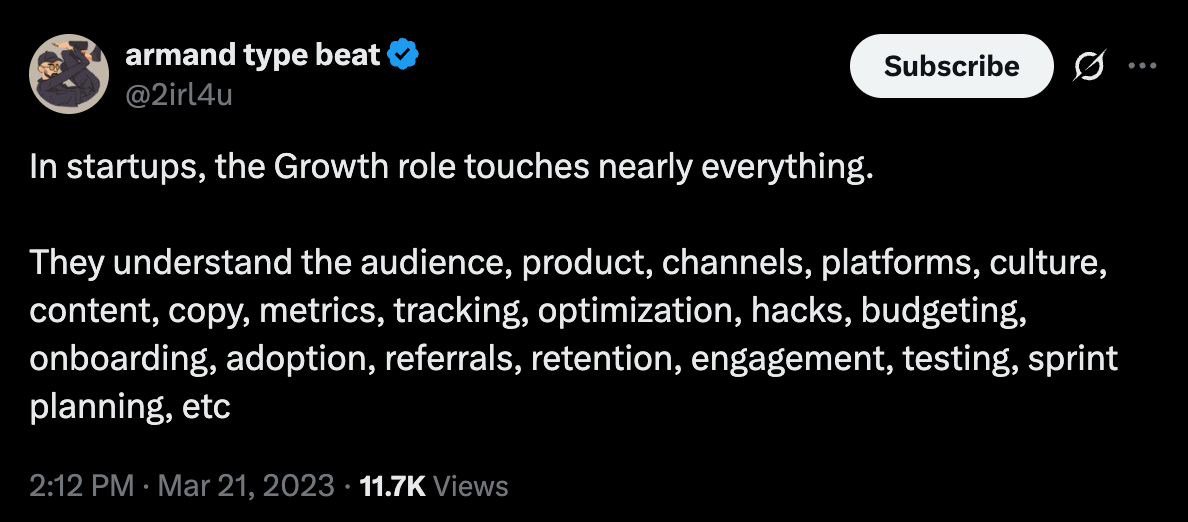
For us, content != copy. It's clarity, timing, emotion, and insight all packaged in a format that fits the platform and the people. Every time I explain our product, it shifts. Different angles land with different audiences and channels.
So really it’s more of a distribution x resonance game. Comments, shares, and DMs are the real, active feedback loop here. Impressions are passive.
This is why growth is difficult to hire for, and (actually good) social media marketers come at a premium. You’re responsible for how your product shows up in the wild, how your audience experiences it and how it evolves through interaction. You can’t outsource that.
Trust Scales What Performance Can't
The trust gap here isn’t subtle. 91% of B2B buyers rely on word-of-mouth. Just 25% trust ads. And yet most teams throw budget at platforms while ignoring the humans using them.
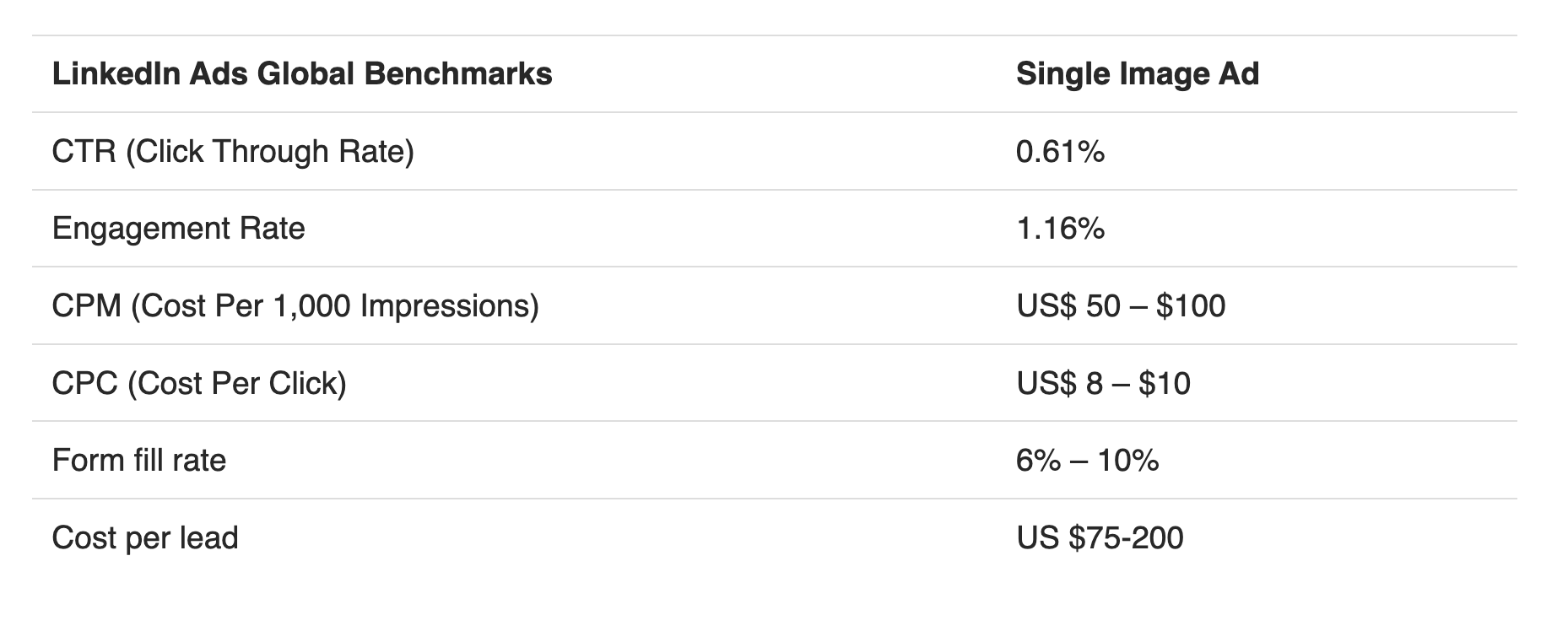
If you're on LinkedIn (like 97% of B2B marketers), the benchmarks aren't high: 6.5% engagement for organic posts, 0.61% CTR for paid ads. Higher engagement is definitely attainable when you remember the garbage that people post on LinkedIn. We’re consistently hitting 20%+, with individual posts breaking 70%.
Customer acquisition costs are brutal for paid channels. Organic social runs $45-75 CAC compared to $150-300 for paid social, and rising. Many B2B teams are paying more to reach fewer real buyers. Meanwhile, organic content can drive value for 2 years. Paid stops the second your budget does.
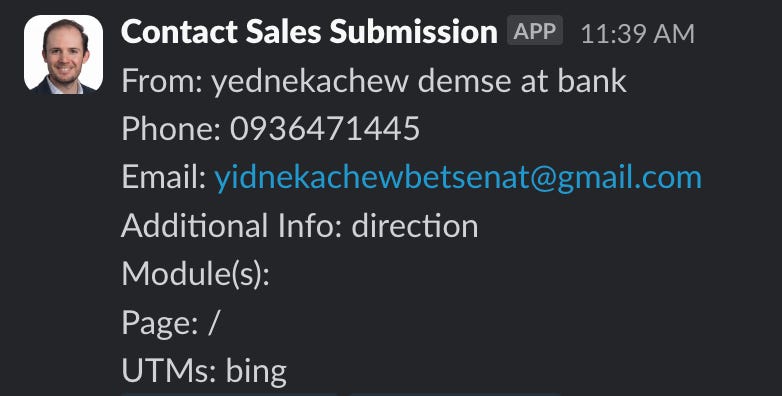
It's the question of renting vs. building (brand) equity. Paid ads rent attention; organic builds lasting assets. If you're early, under-resourced, or chasing short-term intent, rent while you figure it out. Else, invest in content that compounds.
Renting vs. Owning
When a paid campaign works, you have engagement data and maybe some conversions. Was it the timing? The copy? The creative? The targeting? Or just dumb luck?
When organic content works, you have a template for infinite variations and deep knowledge about why it resonated. Usually, the feedback is transparent. People comment, share, save, etc. They tell you exactly why it mattered or it’ll be obvious based on who’s engaging with it.
This is how organic content compounds: you’re creating content, growing the audience and building systems for pattern recognition. Each successful post teaches you something about your audience that informs all future content. And it doesn’t go away when you stop paying.
After a certain point you have enough data for statistical significance and real optimization. Mr. Beast does this ruthlessly: every thumbnail, title, and hook is informed by thousands of previous micro-experiments.
Every interaction with your brand creates surface area for future connections. When I drop a free tool or share customer visit or team-related content, I’m not "doing marketing", but rather establishing credibility where our audience already hangs out. Giving them a valuable resource or showing something they want to see. My “Factory Friday” series on twitter has been fun to make, and visiting these people in person gives our company a huge leg up in learning more about how their business works.
Twitter referrals are up 586% in 90 days, LinkedIn consistently drives high quality B2B traffic as well.
Social signals now correlate 0.73 with Domain Authority improvements, with companies seeing measurable SEO boosts 3-6 months after implementing organic social strategies. You’re driving quality traffic to your site, inevitably search engines will take notice. Our 111% lift in organic search traffic isn't coincidence, but funny enough, it’s just the beginning. We’re investing in foundational SEO, content syndication and high quality social. Only up from here.
B2B orgs are stuck in the past. In 2014, you could put $1 into Facebook ads and get $5 out, pretty much guaranteed. Many still see social as just another channel to optimize, not one to nurture. Underinvesting in indirect revenue drivers like trust, reputation, and expertise is a huge faux pas. Those are the compounding assets.
The Power Law of Brand
Growth marketing is the business of hits, which means you need to think like a venture capitalist. Most companies make single bets on paid channels, like putting all your money in one stock (or a few trusted ones). We're making many small bets across channels, including content, knowing that power law distributions mean a few big hits can carry the entire strategy.
The key is designing experiments that fail fast but compound when they work. Each piece of content is a hypothesis about what your audience values. The misses teach you about the market; the hits become assets that generate returns for years.
It’s your job to be there before everyone else and find arbitrages. If you’re looking for hard numbers, I’d argue that the 70/30 rule generally makes sense: 70% organic for brand building, awareness, and audience engagement—creating the conditions where people want to buy from you. 30% paid for capturing latent demand and converting people already in-market. Paid is great at intercepting someone actively searching for solutions. Organic creates the audience that eventually searches. Engagement metrics should inform where to double down.
People as distribution
One thing remains clear to me: people are a secret weapon. Individual team members create more discovery paths for your ICP. Whether you’re posting about them (or their wins) on the brand account or they’re commenting and engaging in place of a brand account, you’ve multiplied your surface area. Think hive, not hive mind.
Corporate accounts reach maybe ~6% of their followers organically. Individual accounts reach 50%+ of their connections. Your CTO talking about technical challenges will reach engineering candidates or technical nerds the marketing team never could.
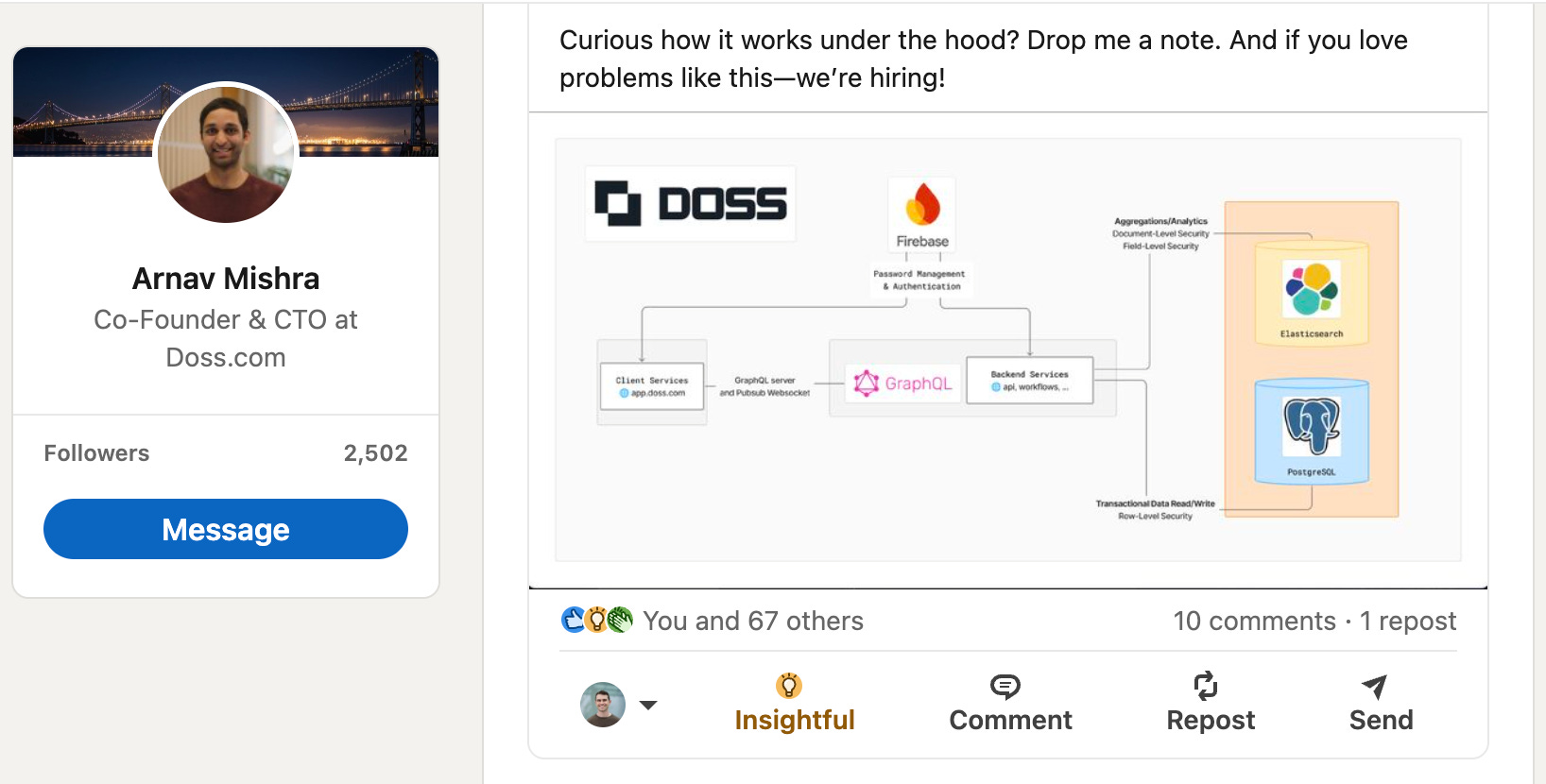
Each incremental comment or social post in a B2B channel from a team member becomes an extension of the brand, creating multiple touchpoints where prospects can discover us authentically. That's surface area you can't buy.
Why this is relevant now
Ad performance is declining. CAC is rising. Third-party cookies are disappearing. And AI is “commodifying” media buying (VCs don’t fall for this please).
If everyone’s using the same algorithms, bidding on the same audiences, and generating the same creative variants with the same prompts, what’s left is owned distribution and trust. Social is where both still have leverage.
AI has flattened the creative advantage. Good copy, decent visuals, targeted segments used to be a moat. Now they’re baseline. At the same time, attribution is getting murkier as privacy regulations and cookie loss disrupt tracking. It’s harder than ever to know what’s working, and yet easier than ever to waste money figuring it out.
That’s why social content matters. It’s owned. It’s authentic. And it builds surface area and trust in a way paid never could.
TL;DR
The tactics matter less than the principles. Every company, audience and channel is different, but the system design stays consistent:
Think in feedback loops, not individual campaigns. Every post is data. Every engagement teaches you something about your market.
Optimize for learning, not vanity metrics. 70% engagement on a post that reaches 500 people teaches you more than 2% engagement on 5,000 impressions.
Remember humans buy from humans. Your audience can smell inauthenticity from a mile away. Act accordingly.
The framework works regardless of your industry. The execution will be unique to your context.